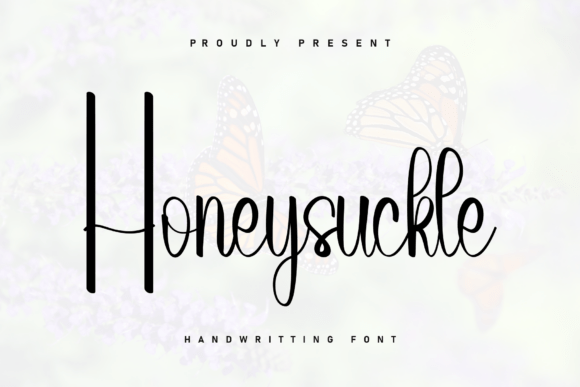
Honeysuckle: A Handwritten Font for Heartfelt Web Design
The Warmth of a Handwritten Typeface
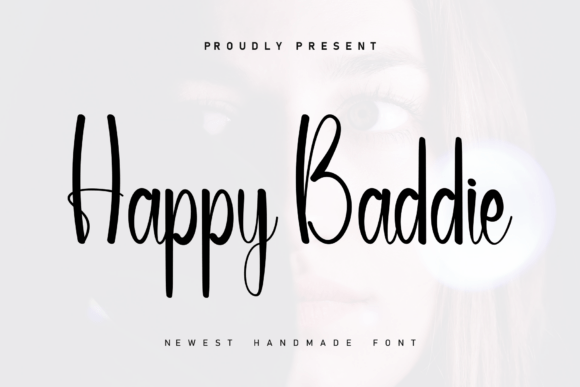
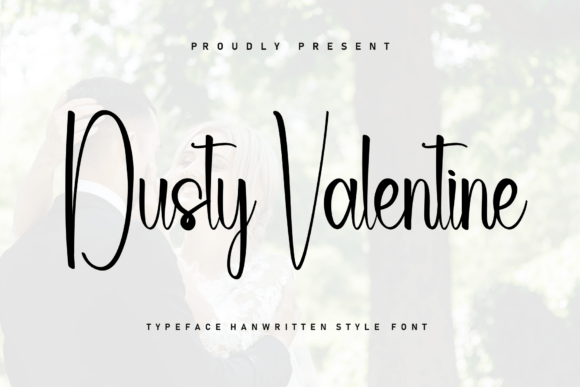
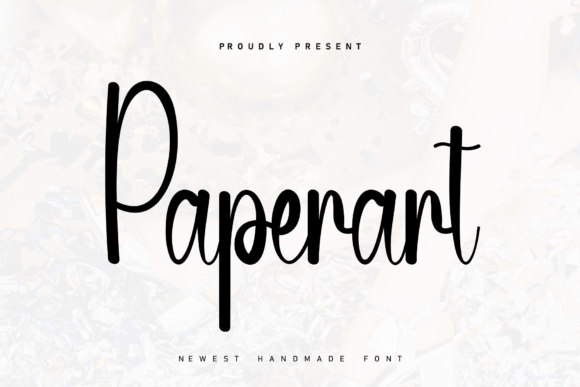
Honeysuckle is more than just a font—it’s a visual expression of warmth, elegance, and emotional resonance. As a handwritten typeface, it brings a sense of intimacy and authenticity to digital projects. Its smooth strokes and organic lines create a relaxed yet refined aesthetic that feels both personal and professional. This makes Honeysuckle ideal for designers who want to add a human touch to their web layouts without sacrificing readability or modern appeal.
Designing with Honeysuckle: Usability and Readability
When choosing a font for web design, readability is key. Honeysuckle excels in this area due to its clear letterforms and balanced spacing. While it has a script feel, it remains legible even at smaller sizes, making it suitable for a range of applications—from subtle accents to prominent headers. Its versatility allows it to work well across different screen sizes and resolutions, ensuring your content remains accessible on mobile devices and desktops alike.
For responsive layouts, Honeysuckle performs admirably when paired with a clean sans-serif font for body text. This contrast enhances visual hierarchy and guides users through your content with ease. Whether you're designing a landing page, an online store, or a blog, Honeysuckle can help create a cohesive and engaging user experience.
Branding with Honeysuckle: Tone and Identity
A font is more than just a design element—it's a reflection of your brand's personality. Honeysuckle’s handwritten style conveys a sense of care, creativity, and approachability. It’s perfect for brands that want to communicate warmth and sincerity, such as boutique shops, creative studios, and coaching services.
Using Honeysuckle in logo design or brand assets can reinforce a consistent visual identity. Its elegant curves and flowing lines make it ideal for headers, call-to-action buttons, and decorative elements. When used thoughtfully, it can elevate the perceived value of your brand while maintaining a friendly and inviting tone.
Where to Use Honeysuckle in Your Projects
Honeysuckle is a versatile font that can be applied in various contexts. Here are some practical examples:
- Hero Sections: Use Honeysuckle for headlines to draw attention and set the tone for your page.
- Landing Pages: Incorporate it into section headings or taglines to guide user flow and highlight key messages.
- Online Stores: Apply it to product titles or promotional banners to create a visually appealing shopping experience.
- Blog Graphics: Use it for headers or sidebars to add a touch of personality to your content.
- Digital Ads: Leverage its charm for short phrases or slogans that need to stand out in a competitive space.
- Course Sales Pages: Employ it to emphasize course titles or unique selling points.
- Portfolio Sites: Integrate it into project titles or client testimonials for a polished yet personal look.
Font Pairing and Stylistic Balance
To maintain balance and readability, consider pairing Honeysuckle with a simpler sans-serif font for body text. This combination ensures that your content remains easy to read while still retaining the character of your design. For instance, using a modern sans-serif like Montserrat or Lato alongside Honeysuckle can create a harmonious contrast that works well for editorial or branding purposes.
If you're aiming for a more classic feel, pairing Honeysuckle with a serif font like Georgia or Cinzel can enhance the overall sophistication of your layout. The key is to ensure that the fonts complement each other without clashing or overwhelming the user’s experience.
Optimizing Honeysuckle for Different Layouts
When working with Honeysuckle, it's important to consider how it behaves in different environments. On dark backgrounds, the font may appear lighter, so adjusting contrast or adding subtle shadows can improve visibility. Conversely, on light backgrounds, you might want to use darker colors or outlines to ensure clarity.
For small buttons or form fields, Honeysuckle should be used sparingly to avoid clutter. Instead, reserve it for headlines, logos, and decorative elements where its charm can shine without compromising functionality. Always test your designs on multiple devices to ensure optimal performance across all platforms.
Commercial Use and Licensing Considerations
If you're planning to use Honeysuckle for commercial projects, be sure to review the licensing terms carefully. Most premium fonts, including Honeysuckle, offer commercial use rights for websites, landing pages, online stores, and digital templates. However, it's essential to confirm whether the font includes webfont support, alternate styles, and multilingual options if needed.
Additionally, check if the font supports different weights and styles to give you more flexibility in your design choices. With proper licensing, Honeysuckle can become a valuable asset in your design toolkit, helping you create visually compelling and professionally branded digital experiences.